Rubbish clearance Green Street E13 fast local service
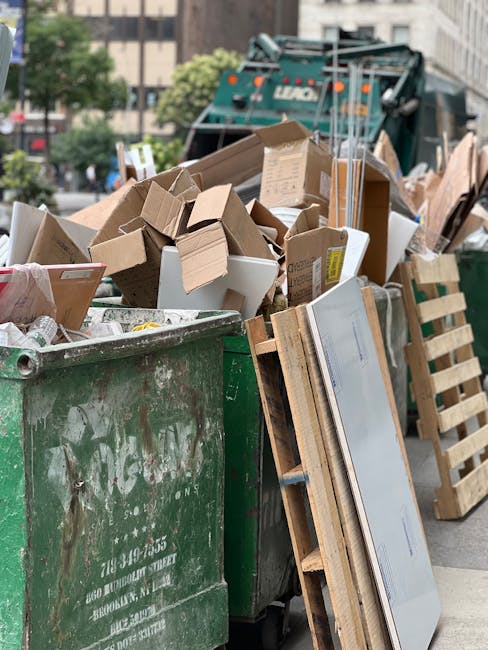
If you need rubbish clearance Green Street E13 fast local service, you probably need it for a reason that cannot wait. Maybe the spare room is full of broken furniture, the garden has become a dumping ground after a weekend clear-out, or a rental property needs to be turned around before the next tenant arrives. Whatever the situation, speed matters, but so does doing the job properly. In a busy part of East London, that means fast arrival, sensible loading, careful sorting, and waste taken away in a way that feels organised rather than chaotic.
This guide explains how local rubbish clearance works, what to expect, how to choose the right method, and where common mistakes creep in. It also covers practical comparisons, compliance basics, and a simple checklist you can use before booking. No fluff. Just the things people actually need when the bins are overflowing and the hallway starts to feel like a storage unit.
Why Rubbish clearance Green Street E13 fast local service Matters
Fast rubbish clearance is not just about convenience. Around Green Street, where homes, flats, shops and busy roads all sit close together, waste can become a real nuisance very quickly. A sofa left by the front door blocks access. Cardboard piles up after a move. Builders' rubble ends up in the way of daily life. And once waste starts spreading, it tends to collect more waste. Funny how that happens.
A local service matters because speed is only useful if the team can actually reach you, work efficiently, and remove items without dragging the process out. If you are dealing with bulky household rubbish, trade waste, garden cuttings or mixed junk, a nearby team can usually plan collection more sensibly than a generic, far-away operator. That usually means less waiting, fewer surprises, and less time spent staring at a heap of stuff wondering how it got so big.
There is also a practical local dimension. In dense urban streets, access can be awkward, parking can be limited, and timing matters. A good crew understands that a quick clearance still needs proper loading, safe lifting, and the right vehicle for the job. If you need more than a simple uplift, it can help to look at related services such as rubbish removal, man and van, or wait and load skip hire depending on how much material you have and how quickly it needs to go.
Expert summary: the best rubbish clearance is not simply the fastest one. It is the one that clears the space quickly, keeps disruption low, handles waste correctly, and leaves you with a clean result you do not have to think about again.
How Rubbish clearance Green Street E13 fast local service Works
The process is usually simpler than people expect. You describe what needs removing, the provider assesses the type and volume of waste, and a collection time is arranged. In many cases, especially with urgent jobs, the team can work from photos or a rough description first. That saves time and avoids the usual back-and-forth that nobody enjoys.
On the day, the crew arrives, confirms the items, and loads everything safely into the vehicle. For lighter clearances, this might be a straightforward lift-and-go. For larger jobs, the team may sort materials as they load, separating recyclable waste where possible. If the job is awkward or access is tight, a vehicle-based solution like grab hire services or grab lorry hire can be more practical than trying to position a skip in a difficult spot.
There are also jobs where a simple collection is not the best fit. If you need to load waste yourself but want the pile gone quickly, same day skip hire may be the better route. If you have a short, intense clearance window, book online can speed things up, while pricing and quotes helps you compare options before anything is booked.
One small but useful point: not all rubbish is treated equally. General household waste, garden waste, appliance disposal, and construction debris can all have different handling requirements. A decent provider will ask the right questions early, rather than guessing and hoping for the best. That is reassuring, and it saves time later.
Key Benefits and Practical Advantages
When people search for a fast local rubbish clearance service, they are usually looking for more than "someone with a van". They want a bit of certainty. They want the mess gone, the access restored, and the job handled without a half-day disappearing into logistics. Fair enough.
- Speed: local crews can often respond faster than wider-area operators.
- Less disruption: clearances are completed with minimal mess left behind.
- Flexible options: rubbish removal, skip hire, wait and load, and man-and-van support cover different scenarios.
- Better access planning: useful where parking, narrow entrances or shared driveways are an issue.
- Waste sorting: recyclable material can be separated where practical.
- Reduced stress: you do not need to organise lifting, transport and disposal yourself.
There is another advantage that people sometimes overlook: momentum. Once the rubbish starts leaving, the whole property feels easier to manage. A cluttered hallway becomes a normal hallway again. A packed garage stops being a source of low-level dread every time you open the door. You know the feeling.
If your waste is mixed and you are not sure what can go where, it is worth reviewing what can go in a skip and comparing it with waste recycling services. Even when you are not using a skip, the same mindset helps you separate reusable, recyclable and restricted items sensibly.
Who This Is For and When It Makes Sense
This kind of service is for people who need waste removed quickly without creating a bigger job for themselves. That includes homeowners, landlords, tenants, estate agents, tradespeople, shop owners and office managers. It also helps if you are in the middle of a life event, because rubbish has a habit of piling up exactly when your attention is elsewhere.
Typical situations include:
- post-renovation mess and builder's rubbish
- garage, loft or shed clear-outs
- garden waste after landscaping or seasonal pruning
- bulky furniture disposal, including mattresses and sofas
- appliance removal after replacement or breakdown
- house clearance after a move, bereavement or property changeover
- commercial and office clearances after reorganisation or refurbishment
Sometimes the decision is simple: you do not have the time, vehicle, manpower or patience to do it yourself. Other times, the space is awkward and the items are just too heavy. A fridge up two flights of stairs, for example, is not the kind of Saturday project most people dream about. In those cases, specialist services like fridge and appliance removal or mattress and sofa disposal can be exactly the right fit.
If you are clearing a home from top to bottom, related options such as house clearance, garage and loft clearance, or garden waste removal may be more appropriate than a general uplift. Choosing the right service early usually saves money and avoids awkward delays.
Step-by-Step Guidance
If you want the process to run smoothly, a bit of preparation goes a long way. Here is a straightforward way to approach it.
- Identify the waste type. Separate household junk, construction debris, garden waste, electrical items and anything potentially hazardous.
- Estimate the amount. Is it a few black bags, a roomful of clutter, or a larger clearance job? A rough picture is usually enough at first.
- Check access. Think about stairs, parking, alleyways, shared entrances and whether the vehicle can get close enough.
- Decide on the best method. For self-loading, a skip may work. For quick removal, a van-based collection may be better. For awkward sites, grab hire can be more efficient.
- Ask about restricted items. Waste like chemicals, paint, asbestos, refrigerants or some electricals may need separate handling.
- Choose a time window that fits your day. Early mornings help when access and parking are easier.
- Prepare the items in advance. Put loose waste together, open gates, and make sure the route is clear.
- Confirm what happens after collection. Reuse, recycling and compliant disposal matter, even if you only care about the empty floor space right now.
One practical tip: if you are comparing a clearance service with domestic skip hire or builders skip hire, think about who is doing the lifting. If you have help and time, a skip can be efficient. If you want the waste gone without stacking it yourself, a collection service is usually easier.
For larger or more technical jobs, useful related services include builders waste removal, construction waste disposal, and site clearance. They are not the same thing, and that distinction matters more than people think.
Expert Tips for Better Results
The quickest jobs are usually the ones that were prepared well. Not glamorous, but true.
- Photograph the waste before booking. A couple of clear pictures can help avoid underestimating volume.
- Group similar items together. It saves time and makes sorting easier.
- Keep restricted waste separate. Do not mix unknown liquids, sharps, paint tins or chemicals into general rubbish.
- Measure awkward items. Large wardrobes, cabinets and appliances can be trickier to remove than they look.
- Think about the end use of the space. If the area needs to be re-let, resold or handed back, ask for a fully cleared finish.
- Ask how recyclables are handled. Even a simple clearance can support better recycling outcomes.
To be fair, a lot of problems start with the phrase "it's probably fine". Often it isn't. A quick check at the outset is better than discovering an issue when the crew is already on site and the clock is moving. If you are dealing with mixed loads, compare man and van with grab lorry hire; one may suit narrow access, the other may be better for heavier or more substantial volumes.
And if you are paying for a fast service, make sure the service is actually fast in the places that matter: arrival, loading, and clearing the final bits from corners people tend to forget. Under the sink. Behind the shed. That awkward patch by the side gate. You know the sort of thing.
Common Mistakes to Avoid
Most clearance headaches are avoidable. Here are the big ones.
- Booking the wrong service type: for example, choosing a general collection when you really need construction waste disposal or house clearance.
- Underestimating volume: a load that looks "small" in the room can become a much bigger pile once it is broken down.
- Mixing hazardous items with general rubbish: this can create compliance issues and delays.
- Forgetting about access: tight parking and narrow frontages can affect the whole job.
- Ignoring item restrictions: some objects need specialist handling, not just a lift into the vehicle.
- Focusing only on price: cheap is not great if the job is incomplete or badly managed.
Another subtle one is assuming the fastest option is always the most efficient. Sometimes a skip is better for an ongoing project. Sometimes a wait-and-load arrangement is better because the waste is ready now, and you do not want a skip sitting out front for days. There is no single correct answer, annoyingly. It depends on the job.
If the waste is particularly delicate or sensitive, such as records, files or confidential materials, a more controlled option like confidential shredding may be the safer route than general rubbish clearance. Same idea, different handling.
Tools, Resources and Recommendations
You do not need specialist equipment to make a clearance easier, but a few simple tools and habits help a lot.
- Heavy-duty gloves for handling mixed waste and sharp edges.
- Black bags or rubble sacks for sorting lighter material before collection.
- Tape measure for bulky furniture and tight access points.
- Phone photos to help explain the load accurately.
- Simple labels or notes for separating keep, recycle and remove piles.
- Clear walkway space so loaders are not stepping around obstacles.
From a service-planning point of view, it helps to browse the provider's support pages before booking. Useful pages include skip sizes and prices if you are weighing up skip hire, skip hire permits if the waste will be placed on the public highway, and payment and security if you want reassurance around the booking process.
For customers who like to understand the company before placing an order, about us gives helpful background, while insurance and safety is worth checking if the work involves access, lifting or busy premises. That kind of reading is not exciting, I know. But it does answer a lot of questions before you even ask them.
Law, Compliance, Standards, or Best Practice
Rubbish clearance in the UK is not just about moving items from one place to another. Waste should be handled responsibly, and commercial operators are expected to work within normal UK waste-duty practices. In plain English, that means the waste should be collected, transported and disposed of in a lawful and sensible way, with attention to recycling where possible and proper handling for restricted materials.
If you are a business, landlord or managing agent, this matters even more. You may have obligations around duty of care, documentation and separating certain waste streams. The exact requirements depend on the waste type and the context, so it is wise to treat compliance carefully rather than casually. For mixed commercial or office jobs, services such as commercial skip hire and office clearance are often more appropriate than a general household uplift.
Hazardous items need extra caution. Paints, solvents, asbestos-related materials, fridges, chemicals and some electrical waste may require specialist handling or separate collection. If there is any uncertainty, ask before loading everything together. It is much better to pause for five minutes than create a disposal problem that follows you around for weeks.
Responsible operators should also be clear about their policies, including health and safety policy, recycling and sustainability, and terms and conditions. Those pages are not there for decoration. They help set expectations and show how a provider works in practice.
Options, Methods, or Comparison Table
Different waste situations call for different solutions. Here is a simple comparison that can help you choose without overthinking it.
| Option | Best for | Strengths | Watch-outs |
|---|---|---|---|
| Rubbish removal | General mixed waste, bulky items, one-off clearances | Fast, convenient, minimal effort for the customer | May need careful item breakdown and access planning |
| Skip hire | Ongoing projects, DIY, regular filling over time | Flexible, good for phased work | Requires space and sometimes permits |
| Wait and load | Quick loading where a skip would be inconvenient | Fast turnaround, no long placement period | Needs the waste ready to load promptly |
| Grab hire | Heavier waste, awkward access, larger volumes | Efficient for bulky or dense material | Needs suitable vehicle access and loading space |
| Man and van | Smaller loads, flexible collections, mixed items | Handy for quick turnarounds | Volume limits vary, so the load needs checking |
If you are unsure, ask yourself one simple question: do I want the waste gone from the property immediately, or do I want somewhere to put it while I work through the job? That answer usually points you in the right direction.
Case Study or Real-World Example
A common real-world scenario in Green Street goes like this. A landlord has a flat that needs preparing after a tenant move-out. There is a broken bed frame, a few bags of mixed rubbish, some damaged shelving, a fridge that no longer works, and a hallway that is too tight for leisurely loading. The job is not huge, but it is messy and time-sensitive.
In a case like that, a fast local collection can be better than trying to organise multiple trips to a tip or waiting around for a skip delivery that blocks access. The team can arrive, check the items, and remove them in one visit. If the fridge needs separate handling, it can be managed as part of a planned uplift rather than an afterthought. If there are confidential papers or leftover office files in the mix, that can be flagged early too.
What usually makes the difference is preparation. The best results come when the customer has already grouped the items, cleared a route from the door, and explained the awkward bits honestly. No drama, no overcomplication. Just a tidy handover and a clear space at the end.
That is often the whole point, really: less noise, less mess, and one less thing hanging over the day.
Practical Checklist
Use this before booking your rubbish clearance:
- Have you identified the main waste types?
- Do you know roughly how much needs removing?
- Is there enough access for loading or vehicle entry?
- Are any items hazardous, restricted or specialist?
- Have you separated anything you want to keep?
- Have you checked whether you need a skip, wait and load, or collection service?
- Do you have photos ready if requested?
- Is the waste already stacked or grouped for quick removal?
- Have you checked the provider's terms, payment and safety information?
- Do you want recycling, resale or disposal handled in a particular way?
Quick takeaway: the smoother the prep, the faster the clearance. That is usually true whether you are clearing one room or half a property.
Get a free quote today and see how much you can save.
Conclusion
Rubbish clearance Green Street E13 fast local service is really about getting your space back without turning the task into a bigger headache. The right provider should make the process simple, quick and sensible, while still handling waste carefully and giving you the confidence that nothing has been left to chance.
Whether you are dealing with household clutter, bulky furniture, builder's waste, garden rubbish or a more complex mixed load, the key is to choose the right method from the start. A local service with proper planning, clear communication and a practical approach can save you time, effort and more than a bit of stress. And once the last bag has gone and the floor is visible again, it always feels better than expected.
One clear space can change the whole mood of a property. That part never gets old.
Frequently Asked Questions
How fast can a local rubbish clearance service in Green Street E13 usually arrive?
It depends on workload, access and the type of waste, but local services are often able to respond faster than non-local operators. If the job is urgent, same-day options may be available.
What types of rubbish can be cleared quickly?
Most general household rubbish, bulky furniture, garden waste, mixed junk and many light commercial clearances can be handled quickly. Restricted or hazardous items may need separate arrangements.
Is rubbish clearance better than skip hire for small jobs?
Often, yes. If you want the waste removed without loading it yourself, a collection service is usually easier. Skip hire can still be useful if you are filling waste over time.
Can builders' waste be taken away as part of a fast local service?
Yes, provided the waste type and amount are suitable. For heavier or more frequent construction waste, a more specific service such as builders waste removal or construction waste disposal may be a better fit.
Do I need to sort the rubbish before collection?
Not always, but grouping waste by type helps the team work more efficiently. It also makes it easier to separate recyclable or restricted materials where needed.
What should I do with fridges, mattresses or sofas?
These items are often best handled separately because they can be bulky or need special disposal routes. Related specialist services like fridge and appliance removal or mattress and sofa disposal can be the safer choice.
Will the team take everything from inside the property?
Usually, yes, if access is safe and the items are agreed in advance. If the property has tight stairs, narrow corridors or limited parking, it is best to mention that before booking.
What if I am not sure how much rubbish I have?
That is very common. Photos usually help a lot, and a rough estimate is often enough to get started. A sensible provider will ask follow-up questions rather than making you guess alone.
Are there items that cannot be taken with general rubbish?
Yes. Hazardous items, certain chemicals, asbestos-related materials and some electrical waste may need separate handling. If you are unsure, ask before the collection date.
How do I know whether I need rubbish removal or a skip?
Ask whether you want to load the waste yourself and whether the work will happen in one go or over several days. If you want the clutter taken away immediately, rubbish removal is often the easier option. If you are working through a project, skip hire may suit you better.
Is local rubbish clearance suitable for landlords and letting agents?
Yes, very much so. It is often used for void properties, end-of-tenancy clear-outs, abandoned items and pre-let preparation. Fast turnaround is especially useful in that context.
Can waste be recycled after collection?
Often, yes. Many providers sort waste so that recyclable material can be separated where practical. It is sensible to ask how recycling is handled, especially if sustainability matters to you.
What is the main mistake people make when booking fast clearance?
The most common mistake is underestimating the volume or forgetting about access restrictions. A quick photo review and a clear explanation upfront usually prevent that.